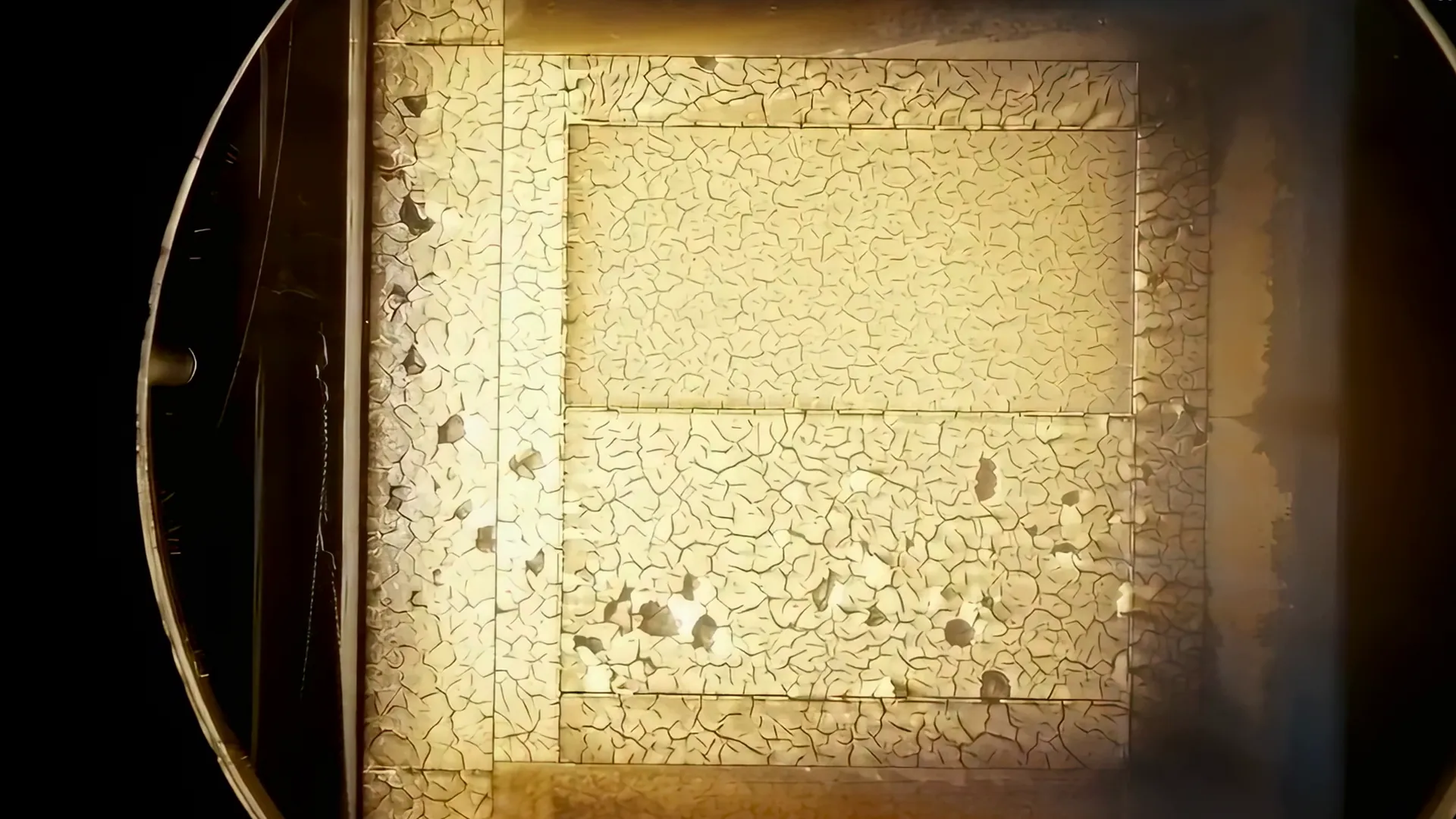
A closed loop for discovering new materials.
In-silico optimisation. Robotic synthesis. Extreme validation.
PRISM, our first product, finds the material. Then we make it, qualify it and scale it into production.
01The problem = 20,000 possible alloys
Materials decide what we can build.
Finding new materials has become faster. Putting one into service still takes ten to twenty years, the figure in the 2011 US Materials Genome Initiative white paper. This count is an example: refractory alloys.
- 474,311,376
- possible alloys from just five of nine high-melting metals
- ÷10
- alloys a day, an assumption, not a measurement
- ≈130,000
- years, if that assumed rate held every day
Nobody can make them all, so PRISM picks the few worth making.
How we counted
Example: refractory alloys. 126 ways to pick five of nine metals that all melt above 1,650 °C, × 3,764,376 ways to mix five in whole percent. Ten a day is an assumption, not a measurement, so the year count that follows from it is not a result. Each dot is 20,000 alloys; their positions are illustrative. 10 to 20 years: US Materials Genome Initiative, June 2011.
02Run 01 — first proof of the loop (ESA FLPP, PRISM Alpha)
The first loop, run on real metal.
Photos
01 to 05 are drawn. 06 to 10 and 14 are our own photographs. 11 and 12 show the same steps in other labs, until we have our own; 13 is drawn.
Diagram: A specification sheet beside a thermometer: what the part must survive.
01Your requirementWhat the part must survive, and what it has to beat. Diagram: A stack of papers under a magnifying glass: the literature on the requirement.
02PRISM reads the literaturePapers and data on your requirement, with their sources. Diagram: Four classes of material as tags; the two worth researching are marked.
03Classes worth researchingThe families of material that could meet it. Diagram: A network of choices: from an empty start, our models build recipes step by step, and more of the flow reaches the better ones.
04Our generative models propose recipesThey build each recipe step by step; the better a recipe, the more of the flow reaches it. Diagram: Several models score each candidate. Where they agree on a good score, the candidate goes on; where they disagree, an exact calculation decides.
05The best few are chosenSeveral models judge each one; where they disagree, an exact calculation decides. 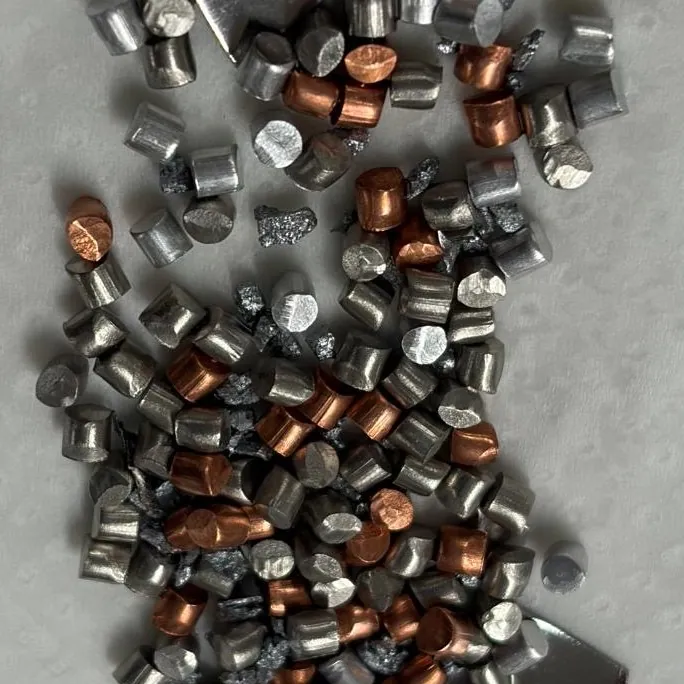
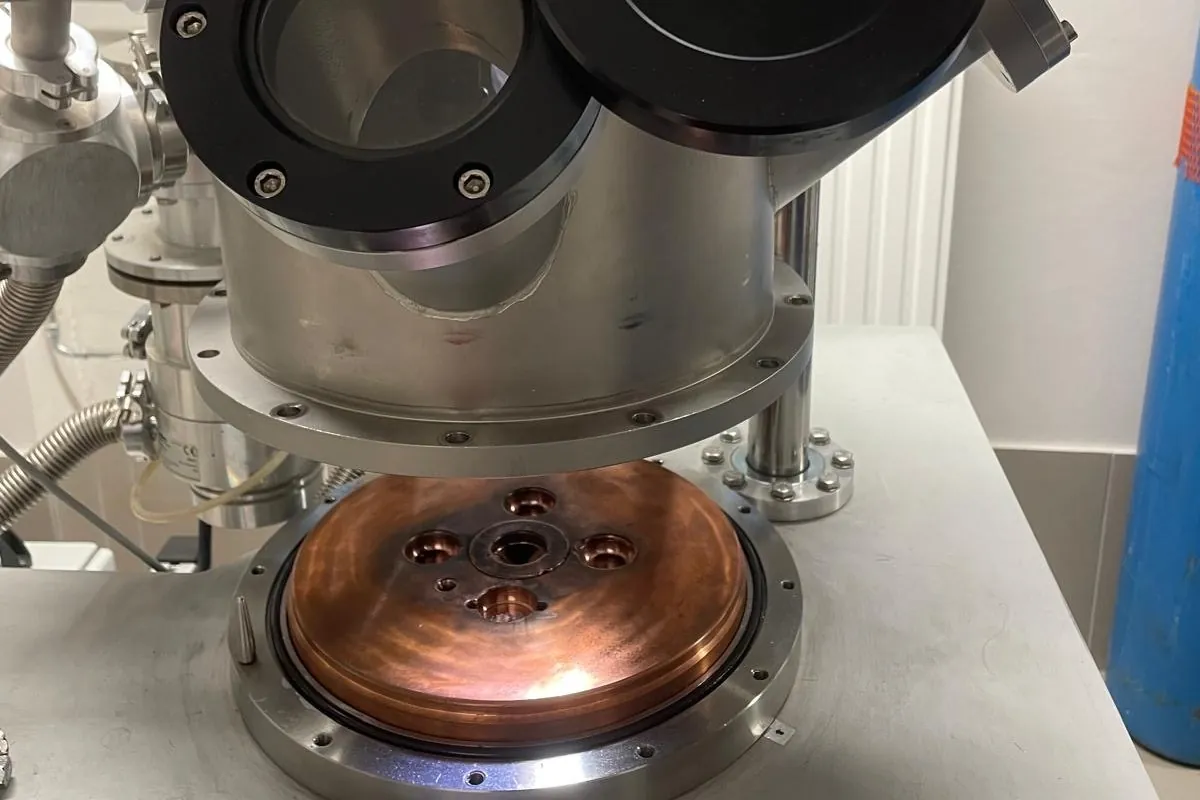
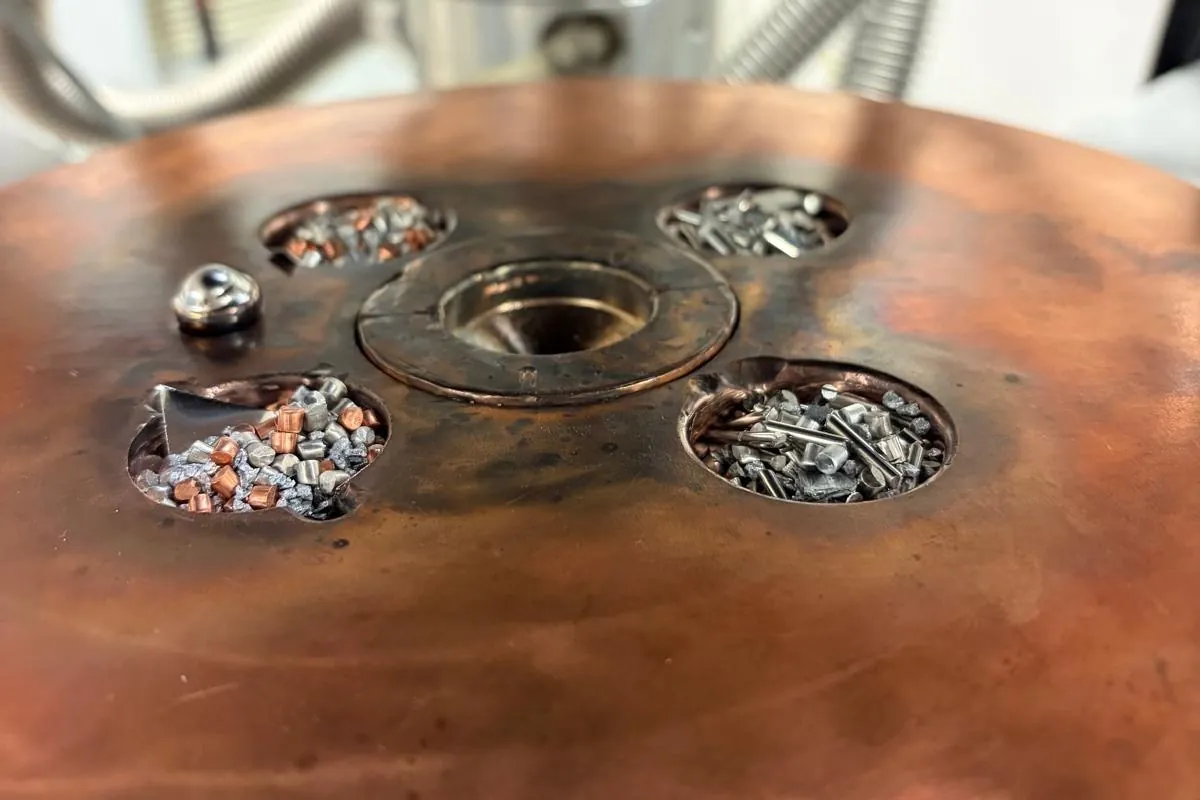
06Raw metals, ready to melt 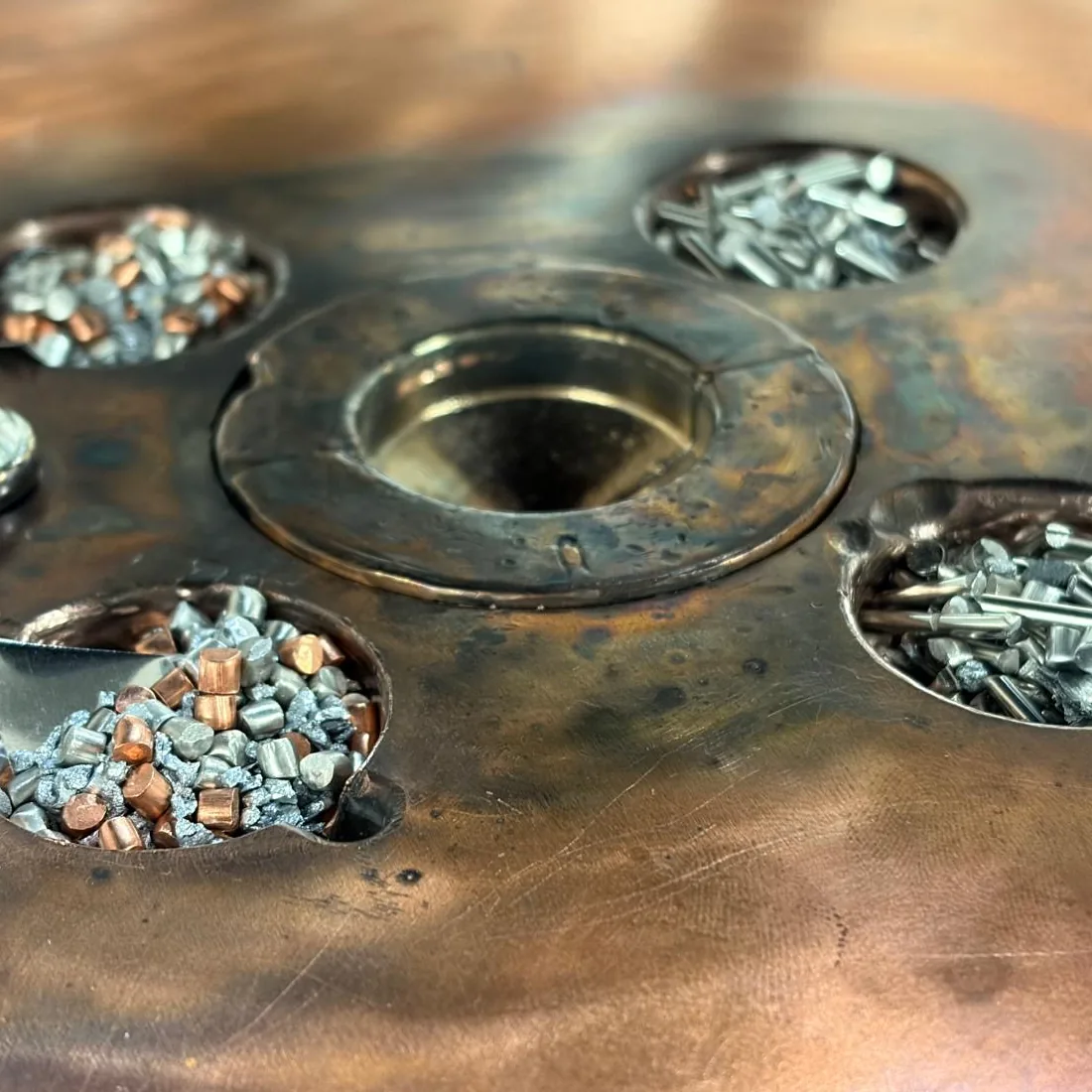
07Loaded into the hearth 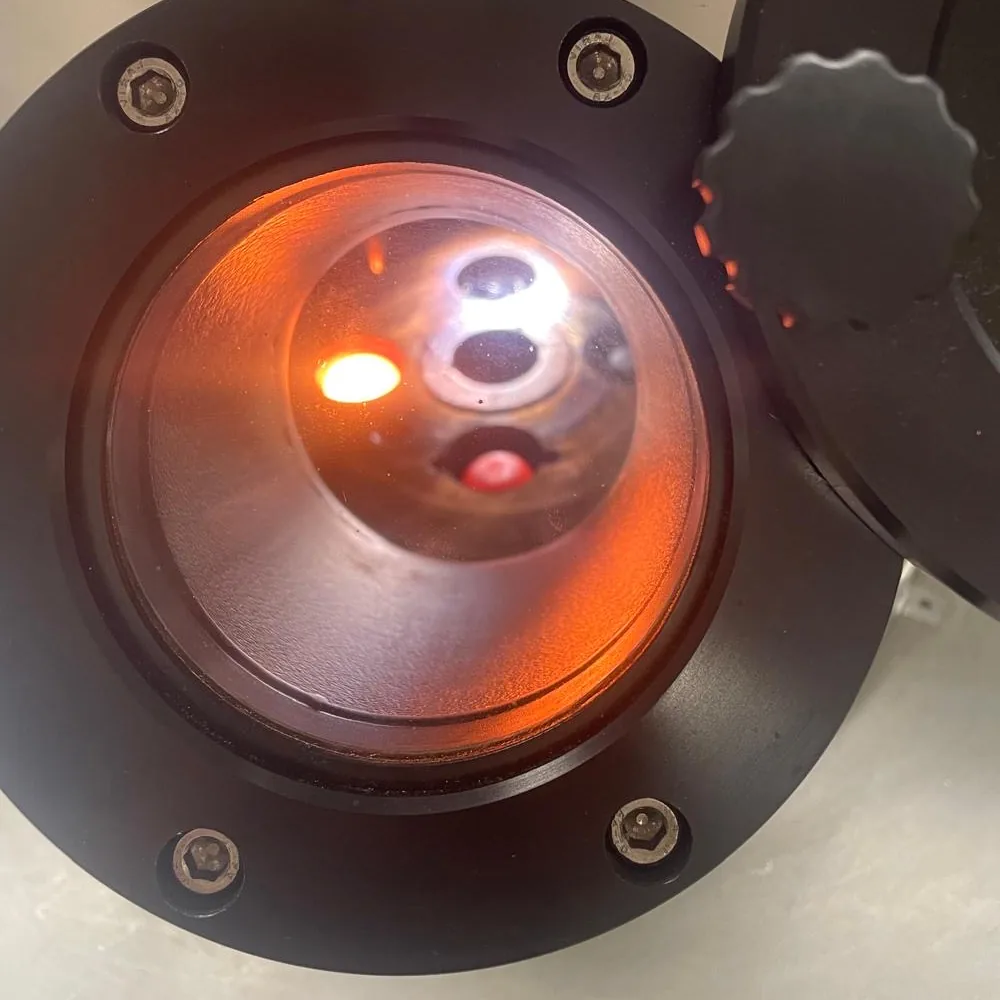
08Melted with an electric arc 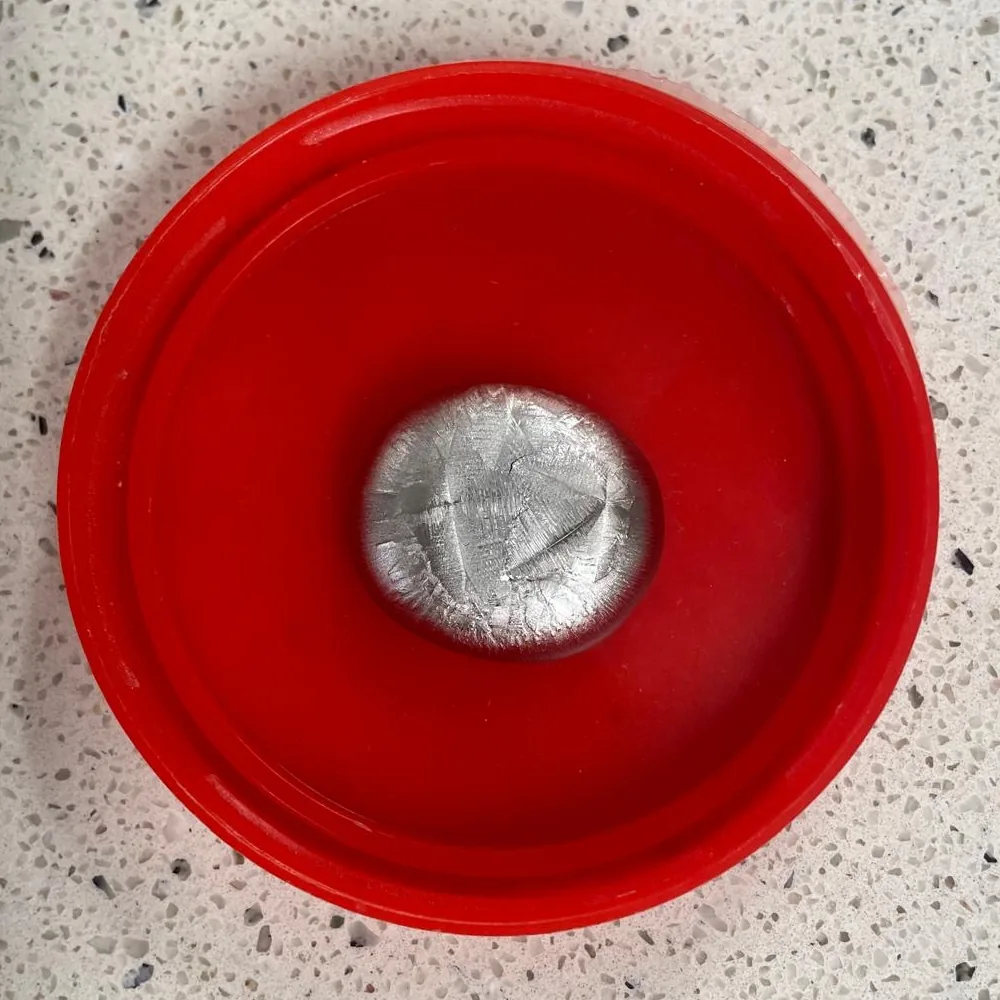
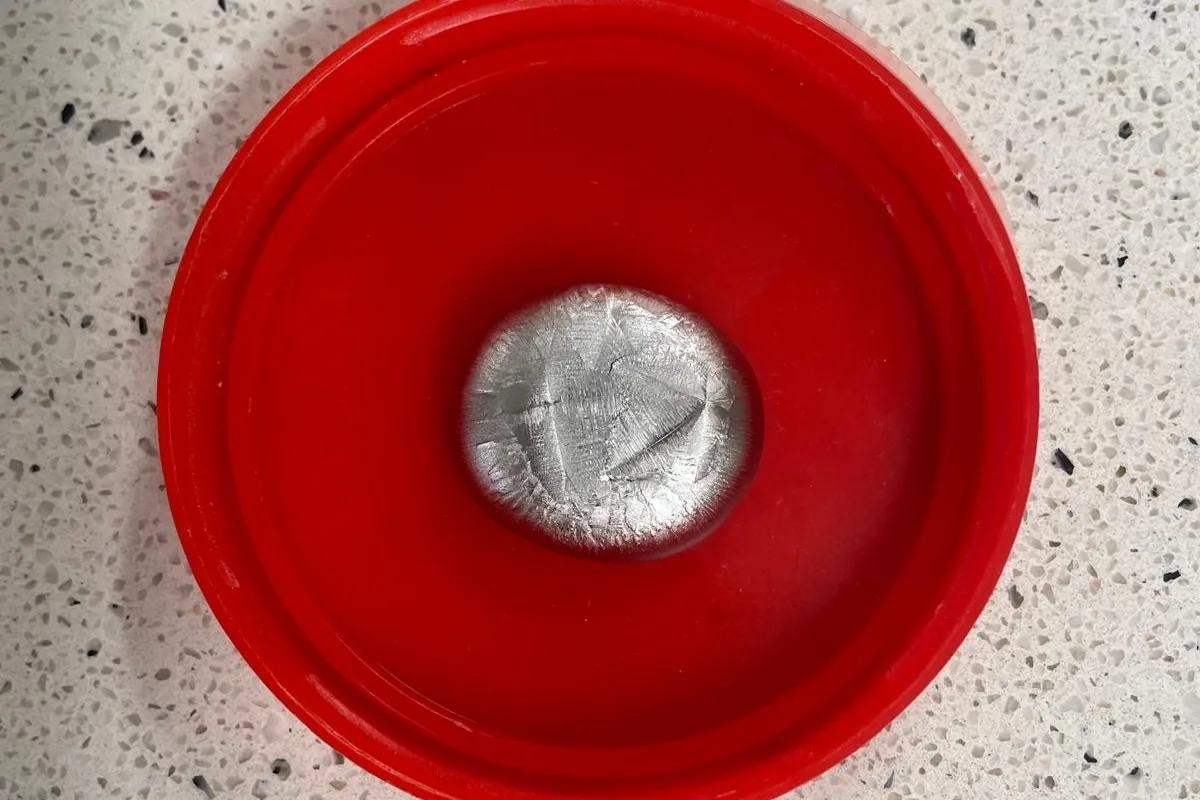
09An alloy button, as cast 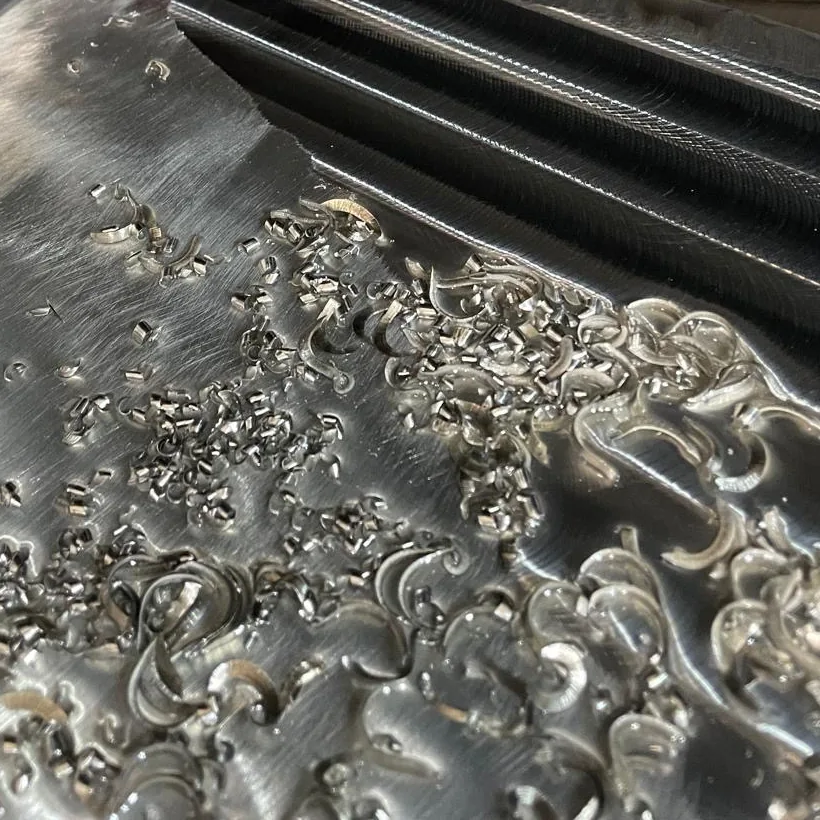
10Milled down 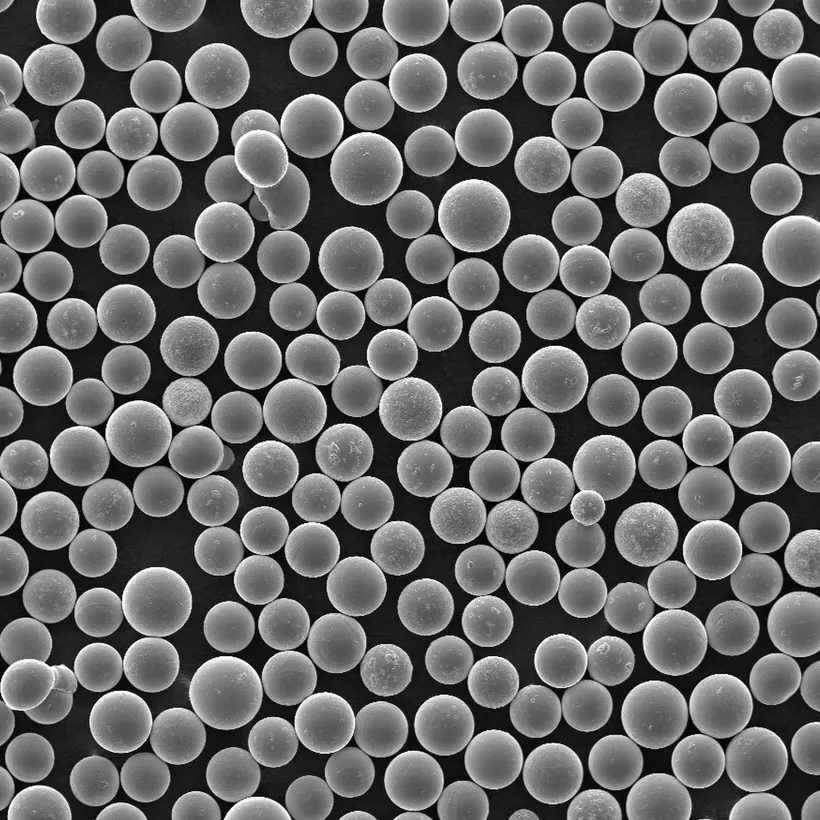
11Made into powder 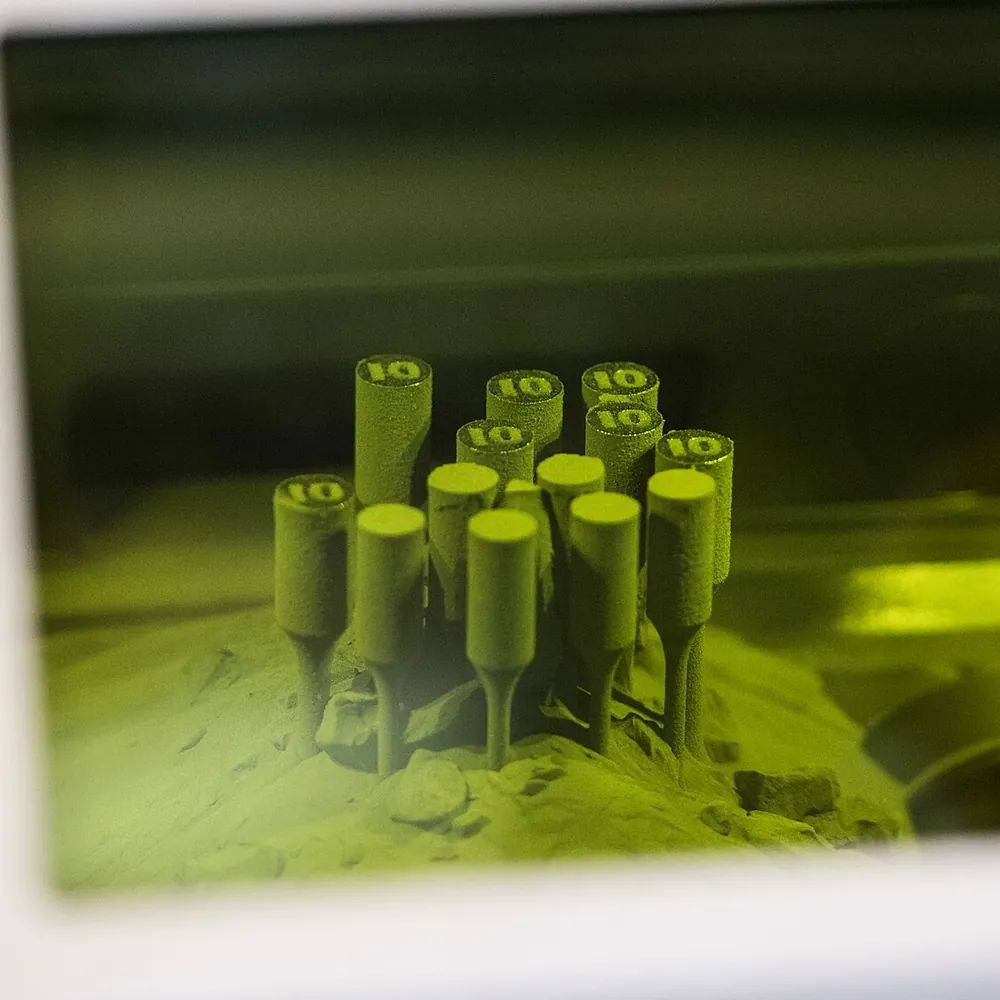
12Printed in a powder bedLPBF: research at Fraunhofer IAPT, industrial at Bimo Tech. Diagram: A nozzle blows metal powder into a laser beam and builds the part up, bead by bead.
13Or built up by DEDDirected energy deposition. 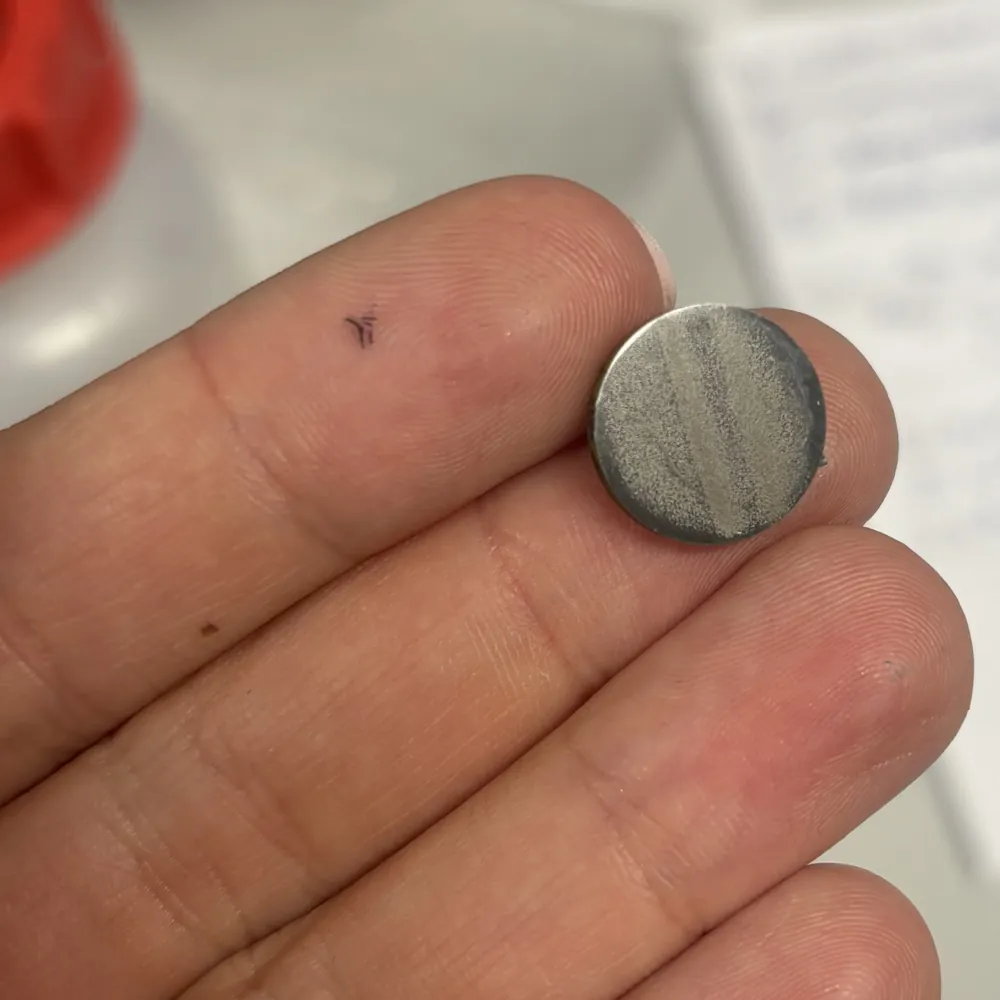
14Coupons, then testsDensity and flaws first, then real conditions.
Earth: EOxCloudless by EOX IT Services GmbH (contains modified Copernicus Sentinel data 2016), CC BY 4.0
Why Europe
Europe depends on others for key materials.
For some critical raw materials, the EU relies almost entirely on one country.
- 65%
- By 2030, the EU wants no more than this share of any strategic raw material to come from one outside country.
- SX500
- No existing alloy could survive inside SpaceX’s Raptor engine, so SpaceX made its own.
We design new alloys in Giessen, and Bimo Tech makes them in Wrocław.
Sources
EU Critical Raw Materials Act, Regulation (EU) 2024/1252, recital 12 and Article 5. SX500: Elon Musk, 23 December 2018 and 25 May 2019.
03How it works
Every result feeds the next design.
A new material class would plug in as new modules. Polymers are planned, and we are seeking funding for that run.
01 / 07RequirementPrototype
Diagram: The PRISM loop: your requirement in the middle; research, design, screen, make, test and learn around it, and round again.
You tell us the heat and loads the part faces, and the material it has to beat.
- 01
Requirement Prototype
You tell us the heat and loads the part faces, and the material it has to beat.
- 02
Research Prototype
PRISM reads the literature on your requirement, and we pick the classes of material worth researching.
- 03
Design Prototype
Our generative models propose a whole batch of promising recipes in those classes, not one best guess.
- 04
Screen Prototype
Several models judge each one, an exact calculation settles the doubtful ones, and most ideas stop here.
- 05
Make In use
We melt the best candidates, mill them down, turn them into powder and print them by laser powder bed fusion or DED.
- 06
Test In use
We measure each sample against your targets.
- 07
Learn Prototype
Every result goes back into the models and decides what we try next.
Diagram: The PRISM loop: a requirement, then research, design, screen, make and test; every result goes back to design. Evidence is recorded at every step.
What must the part survive?
You tell us the heat and loads the part faces, and the material it has to beat.
04Roadmap
Three stages. Today, and next.
Stage 1 runs today. Stage 2 runs today through our partners, and the next step automates it. Stage 3 is the goal.
- 01
Live
Stage 1 · In silico
PRISM runs today: literature, generative models, scoring and exact calculations, inside the ESA projects SPARK and PRISM Alpha.
- 02
Today
Stage 2 · Physical synthesis
Today the samples are made with partners: arc melting at the WUST lab in Wrocław, laser powder bed fusion at Fraunhofer IAPT, industrial printing at Bimo Tech, and testing at IPPT PAN.
Next: automated, robotic synthesis.
- 03
Goal
Stage 3 · Own qualification rigs
Robot-controlled rigs that test to failure and qualify materials in the environment they are made for, so the loop learns from measurements nobody else has. This is the goal. Testing today uses partner equipment.
05How we compare
Not software. Not a consultancy. A closed-loop accelerator.
What each company in AI for materials does itself, from proposing a candidate to making it at scale.
| Company | What they sell | Proposes | Makes | Tests | Closes the loop | Qualifies | Scales production | Largest reported round |
|---|---|---|---|---|---|---|---|---|
| MirdyneGiessen | PRISM software access and closed-loop programmesAlloys for extreme environments, first for rocket engines | Yes | Planned, in-house | Planned, in-house | Yes | Planned, in-house | Through partners | Raising €4M seed |
| Radical AINew York | Materials discovery in its own self-driving labMaterials | Yes | Yes | Yes | Yes | Not stated | Not stated | $55M seed, Jul 2025 |
| alqemMunich | A discovery engine with in-house synthesisRare-earth-free magnets | Yes | Yes | Yes | Yes | Not stated | Not stated | €8M pre-seed, Jul 2026 |
| AlloyedOxford, UK | Alloy-design software (Alloys-By-Design, Architect), its own alloys and 3D-printed partsMetal additive manufacturing | Yes | Yes | Not stated | Not stated | Not stated | Yes | £37M Series B, Mar 2025 |
| ExoMatterMunich | An AI platform to screen, simulate and rank materials, plus its scientistsMaterials | Yes | No | No | No | No | No | €1.7M pre-seed, Oct 2024 |
- Yes
- Through partners
- Planned, in-house
- No
- Not stated
Mirdyne will make and test in-house: its own robotic synthesis cells and test rigs are planned, and until they run, the work is done at partner labs (WUST, Fraunhofer IAPT, IPPT PAN). Production at scale runs with a partner, Bimo Tech, until Mirdyne builds production systems of its own.
06Markets
Where the loop runs next.
 01 · Run 01
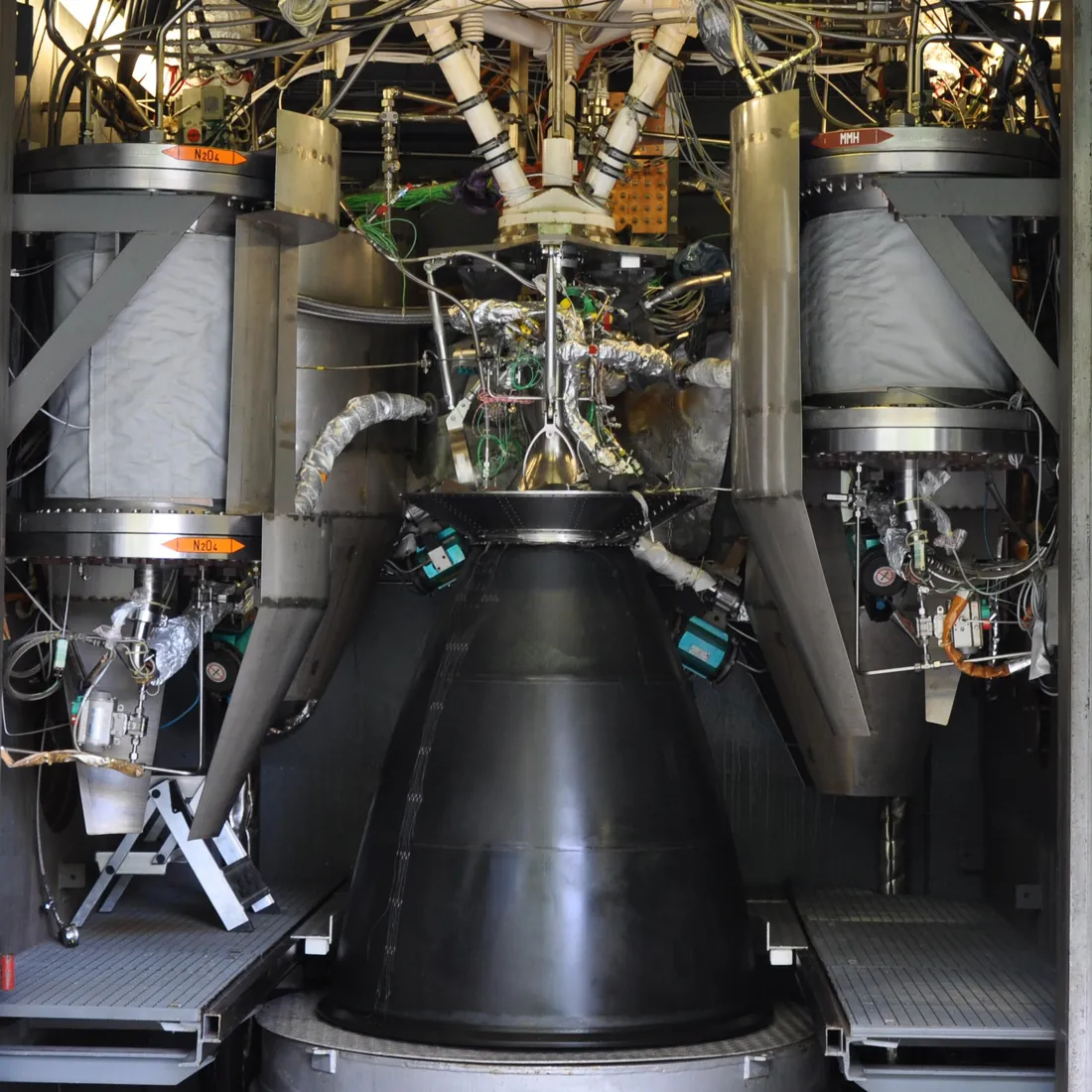
Space propulsion
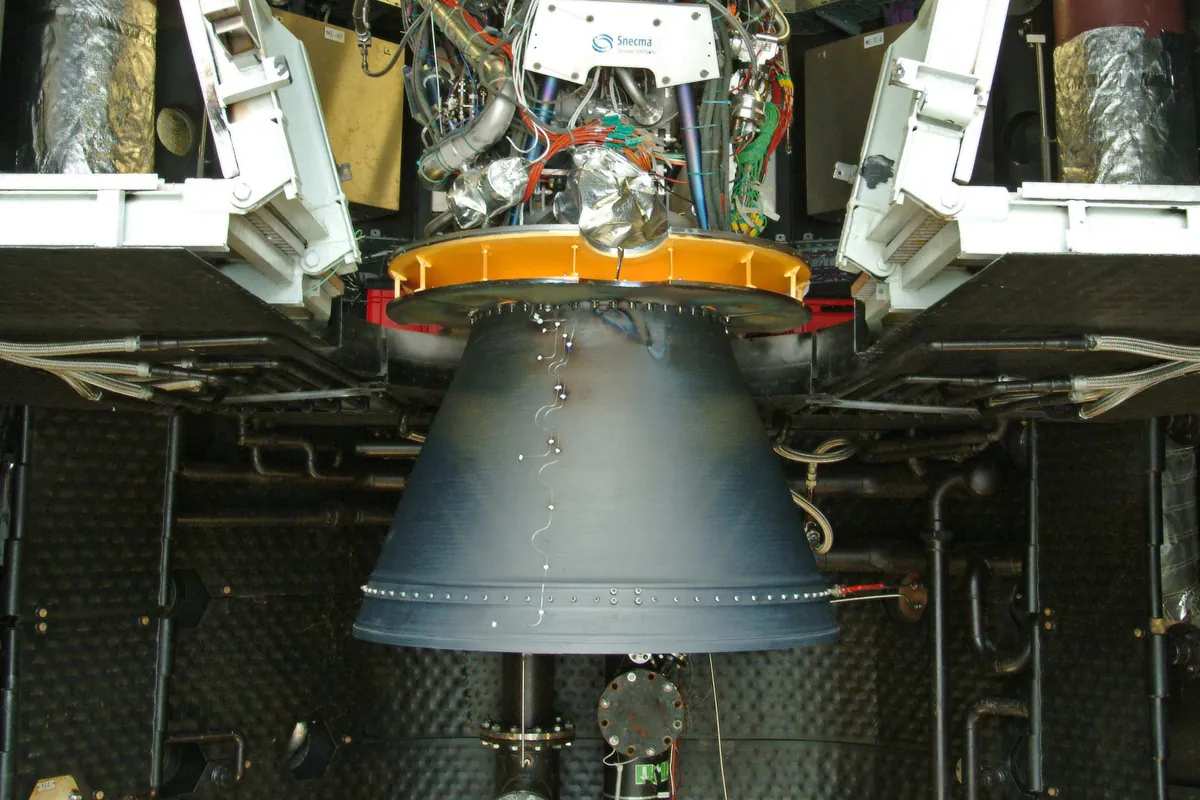
Alloys for the hottest parts of rocket engines. First with ESA and ArianeGroup.
 02 · Next
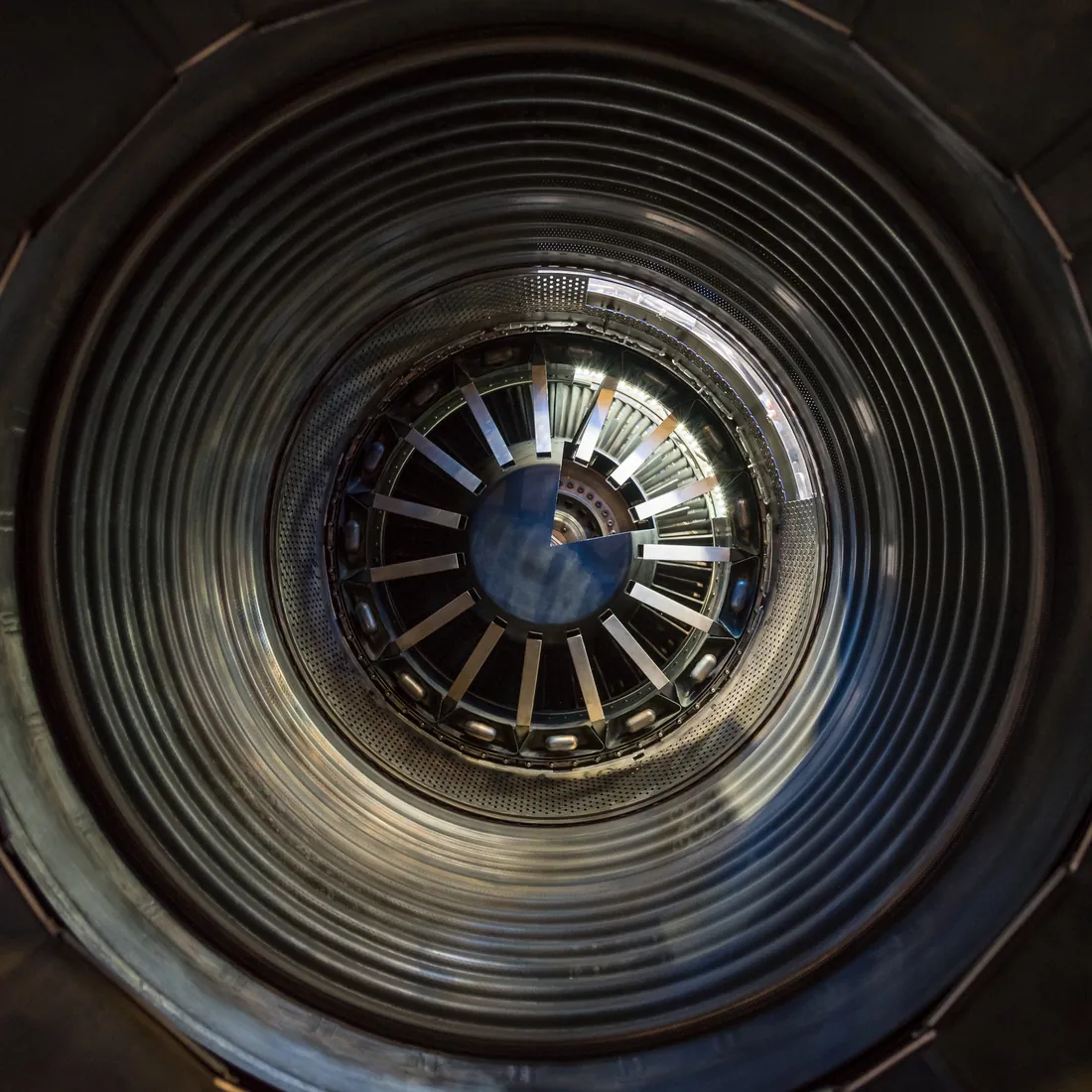
Defence
Hot-section materials for aircraft engines, with export rules built in.
 03 · Next
Fusion and energy
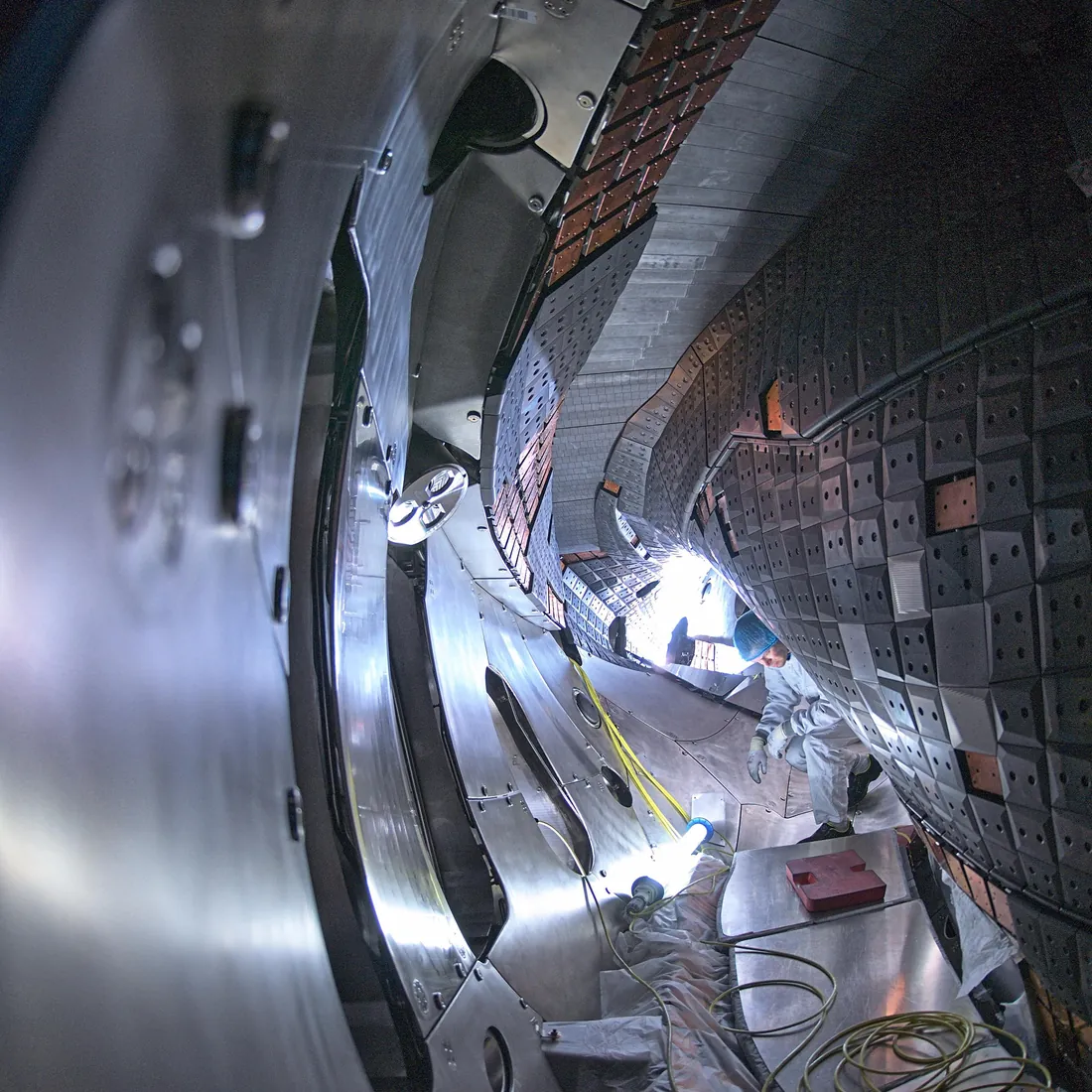
Walls that face the plasma in fusion reactors, and parts for turbines. Bimo Tech already supplies ITER.
 04 · Next
Supply independence
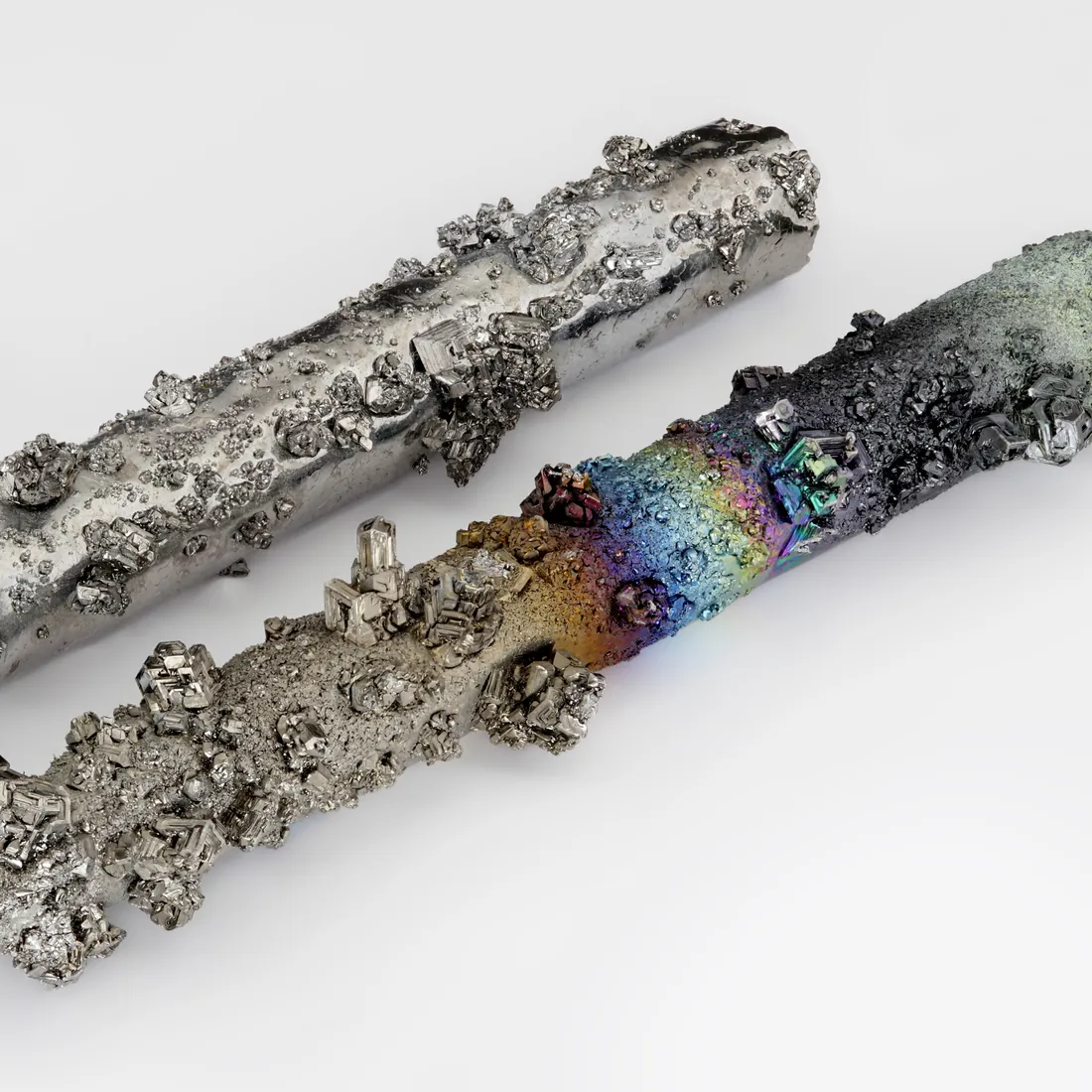
Alloys that do the job with metals Europe can get.
 05 · Planned
Replacing harmful substances
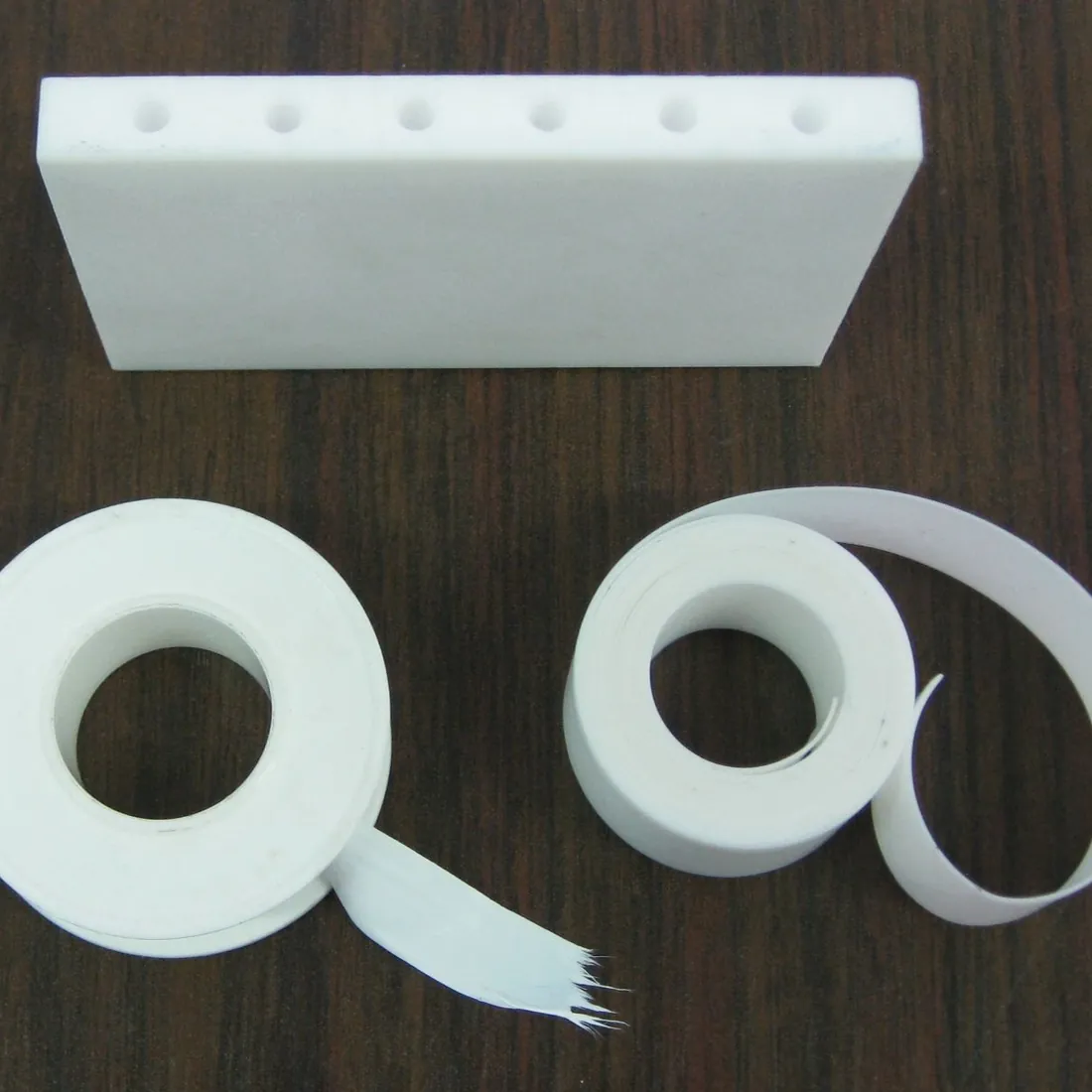
PFAS-free polymers, the next material class. Seeking funding.
 06 · Next
Key technologies
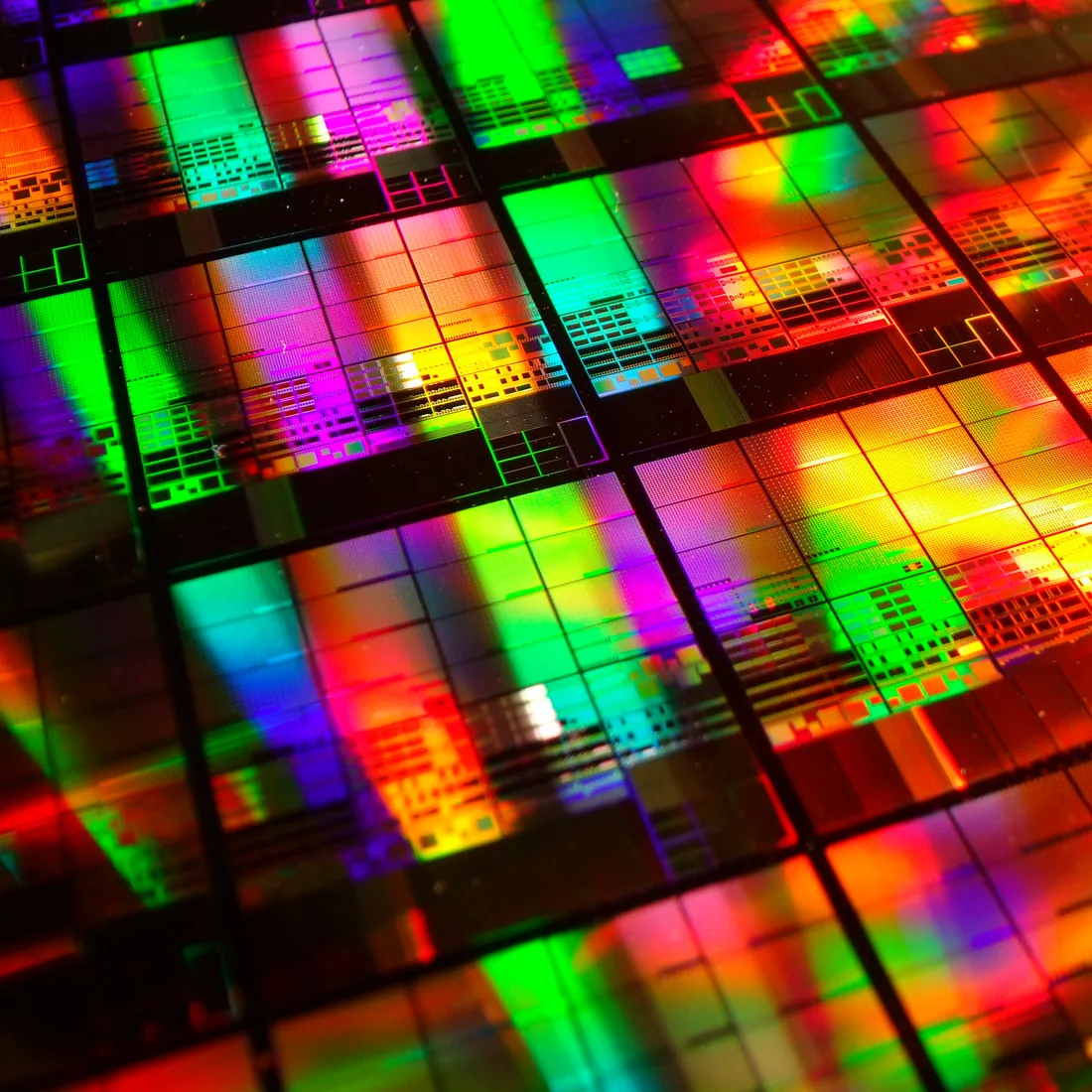
Materials for semiconductors, and lightweight polymers.
07Explore
More about PRISM and Mirdyne.
 PlatformWhat PRISM is built from.Five stacks, and how ready each part is.Open
 MethodPRISM chooses which experiments to run.Four live demos of how PRISM decides.Open
 ProofWe keep the evidence for every result.Who sees what, a published example, and what a part gives away.Open
 CompanyFrom requirement to production. PRISM is the first step.Who we are, the founders, and how to work with us.Open
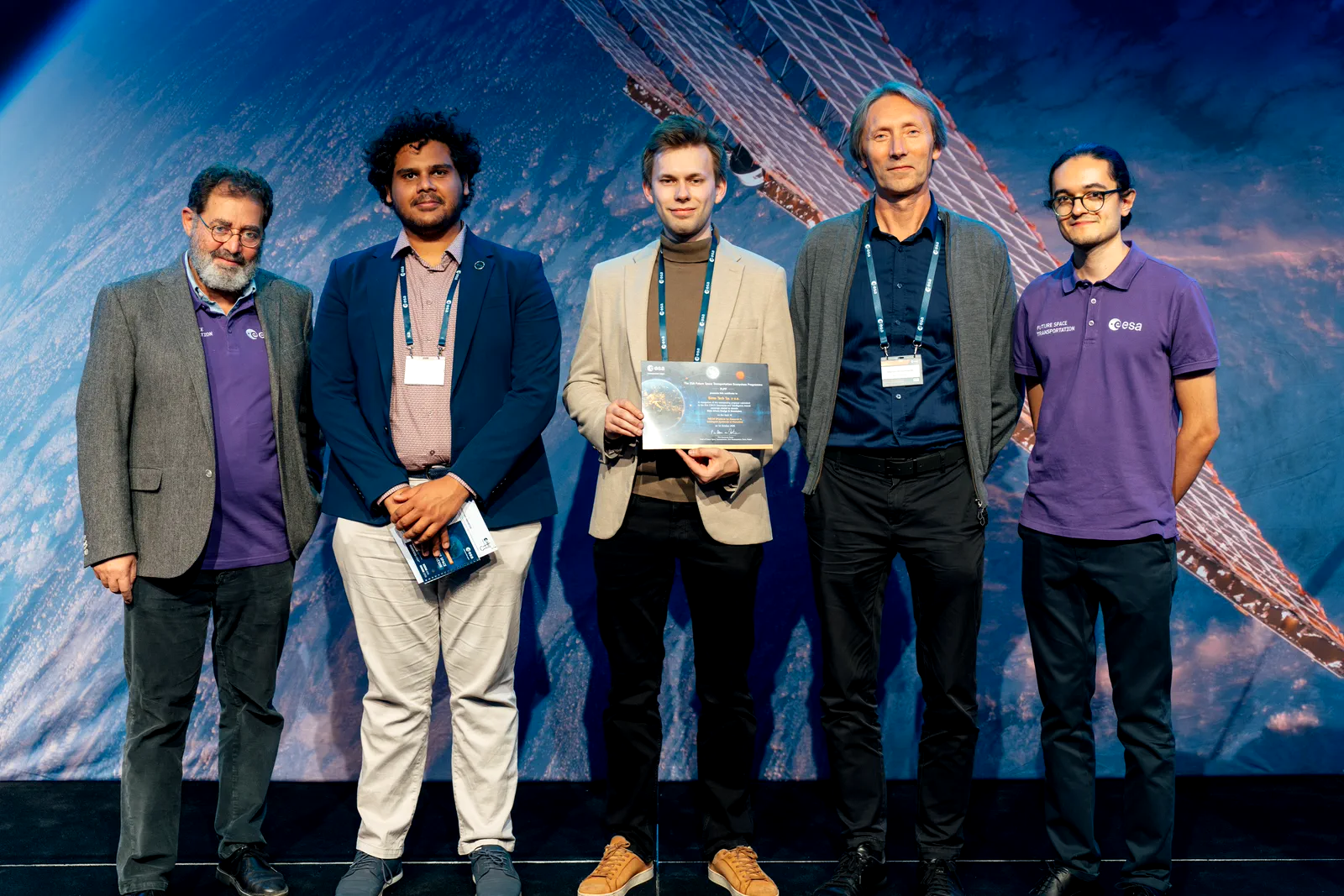 NewsPRISM receives a FIRST! Simulation & Intelligence award.And the latest from our projects.Open
NO HUMAN IN THE LOOP. JUST THE LOOP.
The loop runs itself. A named engineer signs off what leaves it.
Start
Bring us a requirement. We’ll run the loop on it.
We’ll tell you what PRISM can find, and how we’d prove it.